- Account numbers and passwords. Keep a list of your bank and e-mail accounts and securely store your passwords.
- Contact information. Make sure you know how to contact your attorney, advisors, and insurance company.
- Legal documents. You should have copies of all your legal documents, including your will, trust, power of attorney, and health care proxy. You also need to know where any deeds and insurance contracts are kept.
- Tax returns. It is recommended that you have three years’ worth of tax returns stored.
- Medical information. You need to keep track of any prescription medicine and health insurance information.
Make Sure Your Estate Plan and Other Essential Documents Are Safe from Disasters
•
Antoinette Bone
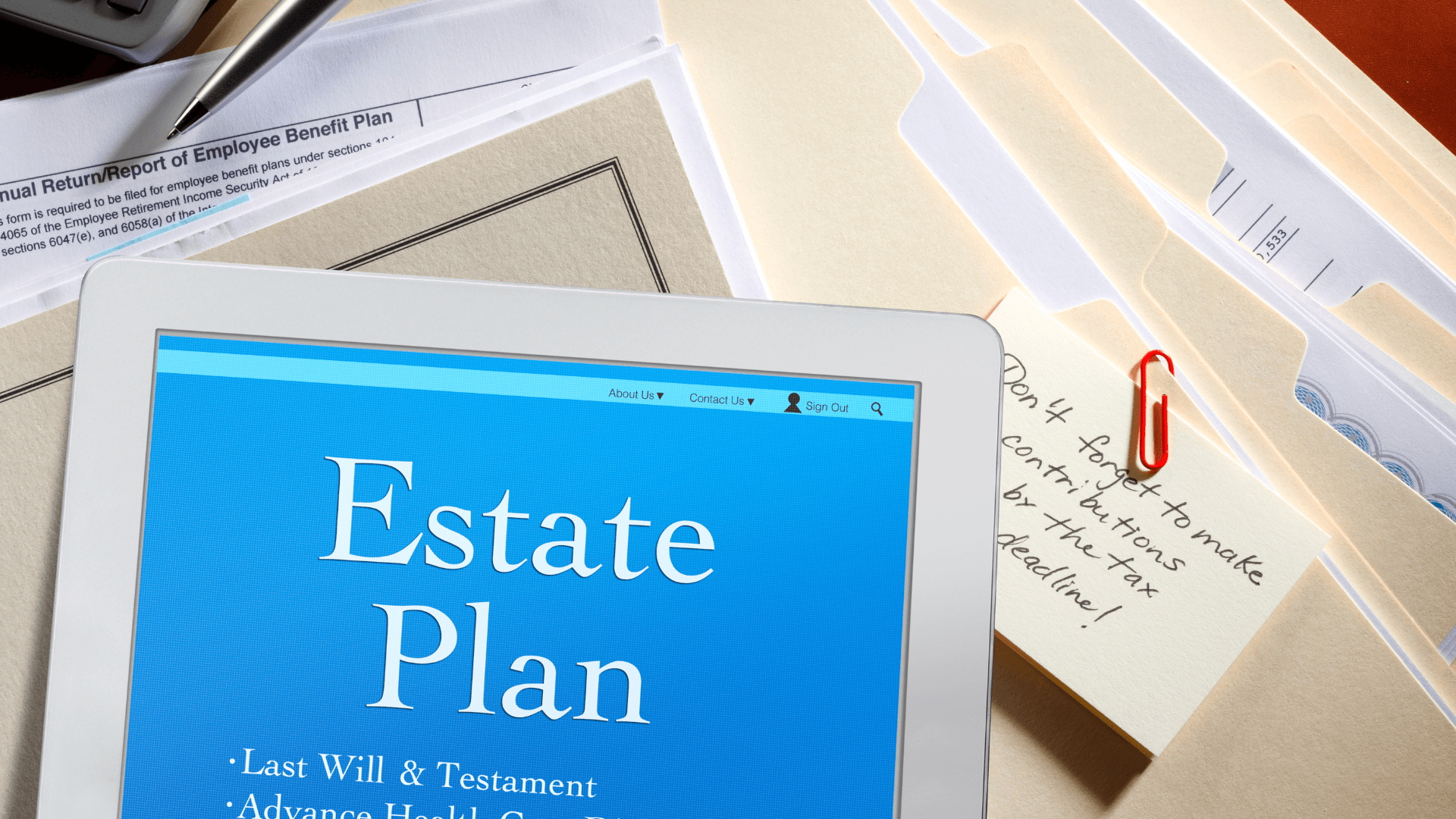
It’s an unfortunate reality that with the increasing number of natural disasters across the country, including fires, floods, and hurricanes, the chance that you could lose your house and possessions has become more likely. In the event of such a calamity, it is important that your estate plan and other important documents are beyond reach and easily retrievable. If your home is destroyed by a natural disaster or another event, you will want to be able to access important information quickly. First, you need to assemble all your crucial documents and information, including the following:
Author BioAntoinette Bone
biography of the author