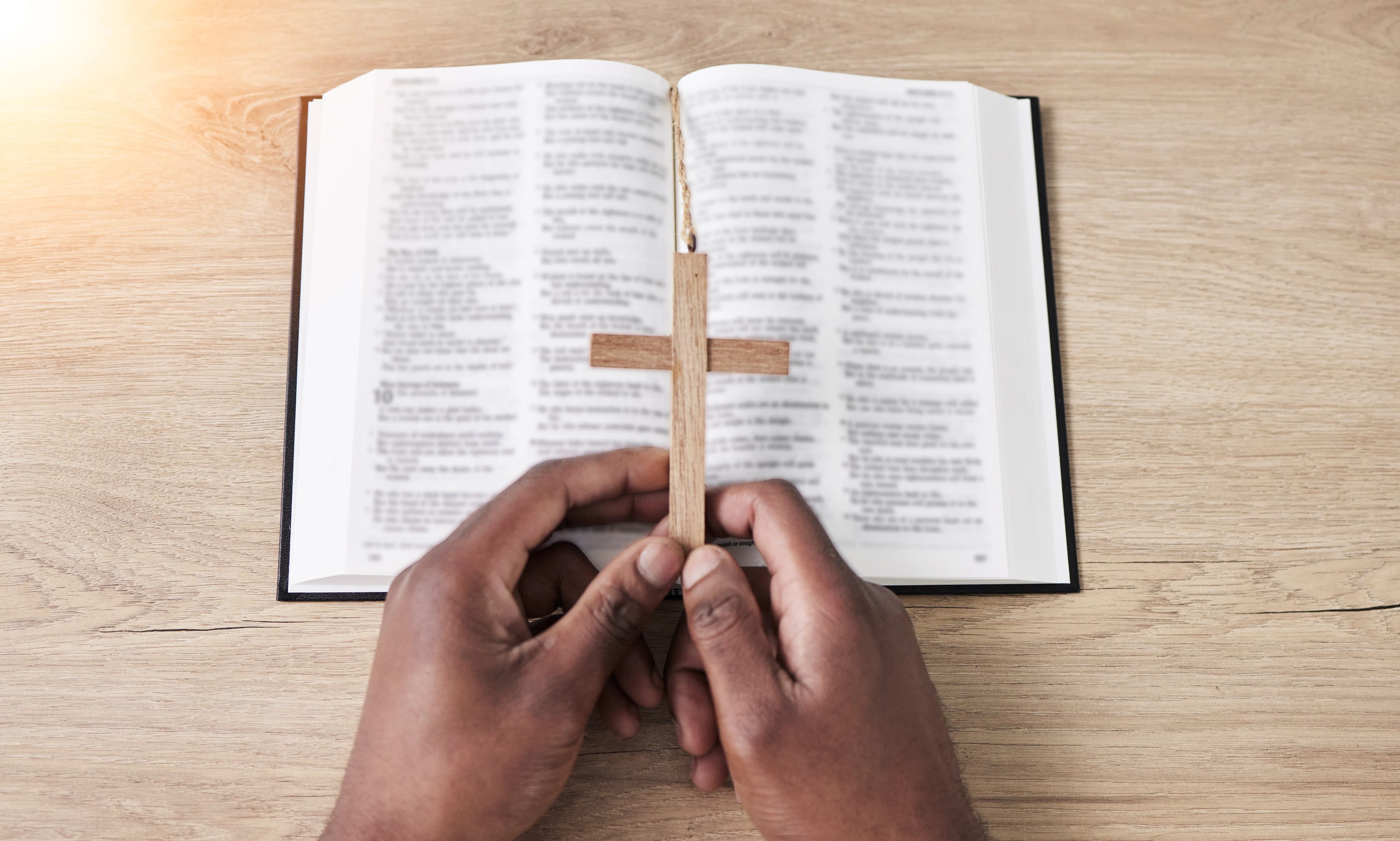
A Christian Manifesto on Stewardship and Legacy
The convictions that inform this work.
Not sure which first step fits? Start with the 60-min: Legacy Blueprint Consultation if you need clarity. Choose the 90-min: Planning Design Session if you are ready to move into plan design.
Christians confess that everything we possess ultimately belongs to God. Our lives, our families, our work, and our resources are entrusted to us for a time and are to be stewarded faithfully. Yet many of the most significant decisions we make about those resources—how they will be managed, who will guide our children, and what legacy we will leave—are often made without reflection on the wisdom of Scripture.
Estate planning is not merely a legal exercise concerned with the transfer of wealth. It is an opportunity to practice stewardship, to care responsibly for those we love, and to prepare future generations to receive what has been entrusted to us.
The decisions made in an estate plan can shape families long after we are gone. They influence how resources are used, how responsibilities are carried, and how values are transmitted from one generation to the next.
For Christians who desire it, estate planning can become an intentional act of faith—one that aligns legal structures with biblical wisdom and ensures that the legacy we leave behind reflects not only what we owned, but what we believed.
Because the greatest inheritance we leave our families is not simply what we give them, but what we prepare them to receive.
Faith and Estate Planning
Estate planning is often treated primarily as a technical legal exercise focused on documents, taxes, and the distribution of assets. For many Christians, however, the decisions made in an estate plan involve far more than legal structure. They involve stewardship, responsibility to family, and the legacy of faith and values that will shape future generations.
For many years I believed in God and in the saving work of Christ, yet I realized that my professional life did not fully reflect the transformation Scripture calls believers to pursue. That realization led me to reconsider how my work as an estate planning attorney could more faithfully reflect my faith.
Estate planning provided a natural place to do that.
The following statement explains the Christian convictions that shape my approach to estate planning and the framework I offer to clients who wish to thoughtfully integrate their faith into these important decisions.

Statement of Faith
Authority of Scripture
My work as an estate planning attorney is informed by my Christian faith and by my conviction that Scripture speaks with wisdom and authority to every area of life, including how we steward our resources, care for our families, and prepare for the future.
“All scripture is given by inspiration of God, and is profitable for doctrine, for reproof, for correction, for instruction in righteousness: That the man of God may be perfect, throughly furnished unto all good works.”
Because of this, I believe the Bible is the final authority for faith and life, and that its teachings are relevant not only to spiritual matters but also to decisions about stewardship, family responsibility, and the legacy we leave to those who come after us.
I believe the Bible, originally written in Hebrew, Aramaic, and Greek, is the inspired Word of God and the final authority for faith and life, and that Christian doctrine and moral teaching must be grounded in faithful translations that accurately reflect the meaning of those original texts.
The Christian Faith
My understanding of these matters is grounded in the historic Christian faith: that there is one God who exists eternally as Father, Son, and Holy Spirit; that Jesus Christ is the Son of God who lived a sinless life, died for the sins of the world, and rose again; and that salvation is a gift of God's grace received through faith in Him.
“For by grace are ye saved through faith; and that not of yourselves: it is the gift of God: Not of works, lest any man should boast.”
Stewardship
Scripture teaches that everything ultimately belongs to God:
“The earth is the LORD'S, and the fulness thereof; the world, and they that dwell therein.”
For this reason, I believe individuals and families are stewards rather than ultimate owners of the resources entrusted to them. Estate planning, therefore, is not merely about transferring property; it can also be an act of faithful stewardship.
Family and Generational Responsibility
The Bible also recognizes the importance of caring for one's family and preparing wisely for the future:
“A good man leaveth an inheritance to his children's children: and the wealth of the sinner is laid up for the just.”
In this sense, inheritance is about far more than material assets. Scripture consistently presents wealth in broader terms than money alone. Wisdom, faith, character, and love for family are forms of wealth that shape generations.
The decisions we make about how we structure our estate plans, who we entrust with responsibility, and how we prepare future generations can have lasting consequences.
For these reasons, I believe estate planning can serve several meaningful purposes. It can help families steward what God has entrusted to them, care responsibly for loved ones, provide governance and guidance after death or incapacity, and prepare children and grandchildren to receive both material resources and the values that accompany them.
Even the simple act of taking the time to plan can itself be an expression of love and responsibility.

Faith-Integrated Estate Planning
Many Christians desire for their estate plans to reflect their faith and convictions. To assist clients who wish to think through these matters, I developed The Abiding Framework™, a faith-integrated approach to estate planning that encourages thoughtful reflection on stewardship, fiduciary responsibility, and generational legacy.
This framework provides tools to help clients consider how biblical principles might inform decisions about guardianship, fiduciary roles, family communication, and the structure of their plans.
One component of this framework is the Legacy Blessing™, which invites clients to express words of faith, encouragement, and guidance to their families. While not every client chooses to create such a letter, many discover that it becomes one of the most meaningful aspects of their planning because it communicates a legacy that extends beyond material wealth.
Professional Role
This statement is provided for individuals who desire to understand the beliefs that inform my approach to faith-integrated estate planning.
My practice includes services for a wide range of clients, but this particular framework is designed for Christians who want their estate planning decisions to reflect their Christian faith and the teachings of Scripture.
At the same time, my role is that of an attorney. I provide legal services rather than pastoral counseling or spiritual direction, and each client remains responsible for their own theological convictions and spiritual decisions.
Ultimately, estate planning is not only about what we leave behind, but about how faithfully we steward what has been entrusted to us while we are here.
My goal is to help clients approach that responsibility with wisdom, intentionality, and a recognition that the legacy we leave our families includes far more than material wealth.

Estate planning is not merely the transfer of wealth—it is the stewardship of a legacy.
How Faith Can Shape Estate Planning Decisions
- Selecting fiduciaries and guardians who share your values and convictions.
- Providing guidance for those responsible for caring for your children.
- Communicating faith and family values through a Legacy Blessing™.
- Structuring inheritance in ways that encourage stewardship and responsibility.
- Reflecting prayerfully on how resources entrusted to you may serve both family and broader purposes.
These considerations form the foundation of The Abiding Framework™, a structured approach designed to help Christian families think intentionally about stewardship, responsibility, and generational legacy.
Ready to Begin?
If you are a Christian who wants your estate plan to reflect your faith and convictions, we are here to help.
.webp&w=3840&q=75)
© 2026 Praxis Life & Legacy Law ™. All rights reserved.